


3 Viral “Health Hacks” on TikTok That Can Actually Harm You
- May 5
- 3 min read

If you’ve spent even a few minutes scrolling through TikTok lately, you’ve probably seen them on your fyp.
Quick “health hacks” that promise better sleep, faster weight loss, or instant results. They’re easy to follow, look convincing, and usually come with comments like “Grabe gumagana talaga” or “Bakit ngayon ko lang ginawa?”
It’s tempting to try them, especially when they seem simple and harmless.
But not everything that trends online is safe.
In fact, some of the most viral health tips right now can do more harm than good.
The problem with viral health advice
Social media moves fast. Much faster than medical research.
A video can go viral overnight, reach millions of people, and influence behavior before experts even have the chance to respond. What makes it more complicated is that many of these creators are not healthcare professionals.
They speak confidently, show before-and-after clips, and simplify complex topics into a few seconds of content.
It feels trustworthy. But that does not always mean it is accurate.
Trend 1: Mouth taping for better sleep

One of the most talked-about trends right now is mouth taping. The idea is simple. You place tape over your mouth before sleeping to “force” yourself to breathe through your nose.
Supporters claim it improves sleep quality, reduces snoring, and even boosts oxygen levels.
But the reality is not that straightforward.
For some people, especially those with underlying conditions like nasal congestion or sleep apnea, blocking the mouth can actually make breathing more difficult during sleep. This can lead to disrupted rest or even potential safety risks.
Sleep is a complex process. It is not something that can be safely fixed with a single hack.
Trend 2: Dry scooping pre-workout

This trend looks intense and is often framed as a way to “maximize” workouts. Instead of mixing pre-workout powder with water, people take it dry and swallow it in one go.
The idea is that it works faster or hits harder.
In reality, it increases the risk of choking, irritation in the throat, and even heart-related symptoms due to the sudden intake of concentrated stimulants.
What makes it more concerning is how casually it is presented online. A quick video, a dramatic reaction, and suddenly it feels normal.
But your body is not designed to process supplements that way.
Trend 3: Extreme “detox” routines
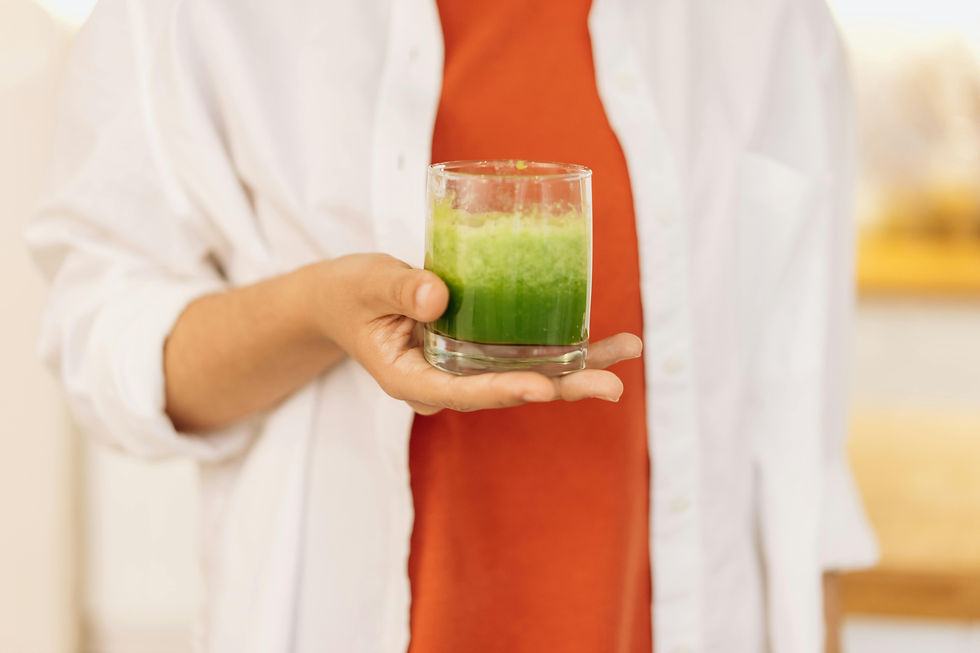
From juice cleanses to aggressive fasting protocols, detox trends continue to cycle through social media. They often promise to “reset” your body, improve digestion, or clear your skin in just a few days.
It sounds appealing, especially when paired with aesthetic visuals and testimonials.
But your body already has a built-in detox system. Your liver and kidneys are constantly working to remove waste and toxins.
Extreme detox routines can sometimes do the opposite of what they promise. They may lead to dehydration, nutrient deficiencies, or energy crashes that make you feel worse, not better.
The danger of “quick fixes”
Health does not usually improve overnight. Real, lasting results come from consistent habits and informed decisions.
Quick fixes often ignore important factors like:
your current health condition
existing medical issues
how your body responds to certain changes
What works for one person online may not work for you. In some cases, it can even cause harm.
A smarter way to approach trends
You do not have to ignore every trend you see online. But it helps to pause and ask a few simple questions.
Does this make sense based on what you know about your body? Is there credible medical information supporting it? Could there be risks that are not being mentioned?
Sometimes, the safest choice is not the most viral one.
When it’s time to check with a professional
If you are trying to improve your sleep, fitness, or overall health, it is always better to start with reliable information.
More importantly, if you experience symptoms like:
difficulty sleeping
unusual fatigue
shortness of breath
dizziness or palpitations
It is best to get proper medical advice instead of relying on online trends.
Choose what works for your health, not just your feed

Social media can be a great source of ideas, but it should not replace professional care.
At HealthFirst Clinic, you can get guidance that is based on your actual health needs, not just what is trending online. From general check-ups to personalized advice, having the right support makes a big difference.
Because when it comes to your health, it is better to be informed than influenced.
Sources
American Lung Association. Viral TikTok Health Trends and Risks
Mayo Clinic. Sleep and Breathing Health
U.S. Food and Drug Administration. Supplement Safety
Harvard Health Publishing. Detox Diets and Cleanses
World Health Organization. Health Information and Misinformation


wow ang galing!!
ayos to ah