


Matcha vs Coffee: Is One Really Better for Your Body?
- May 5
- 3 min read
Napansin niyo ba ang new menu item whenever you go to your favorite cafe?
On one side of the counter, someone is holding a strong iced coffee, the kind that feels necessary for long workdays, traffic, and early mornings. On the other side, someone is sipping a green matcha drink that looks calmer, softer, and more intentional.
Is matcha actually better for your health, or is it just another trend that looks good on social media?
The caffeine question most people don’t think about

Coffee has now become an essential part of our morning routine. Sometimes, a quick cup of your favorite instant drink can get you through long commutes, early shifts, OT-ys, and everything in between. It’s strong, familiar, and surprisingly effective
But that strength comes with a catch. Coffee can bring a quick burst of energy, followed by a noticeable crash or pagod later in the day. Not everyone experiences this, but its common enough that we try to find alternatives.
Matcha entered that space.
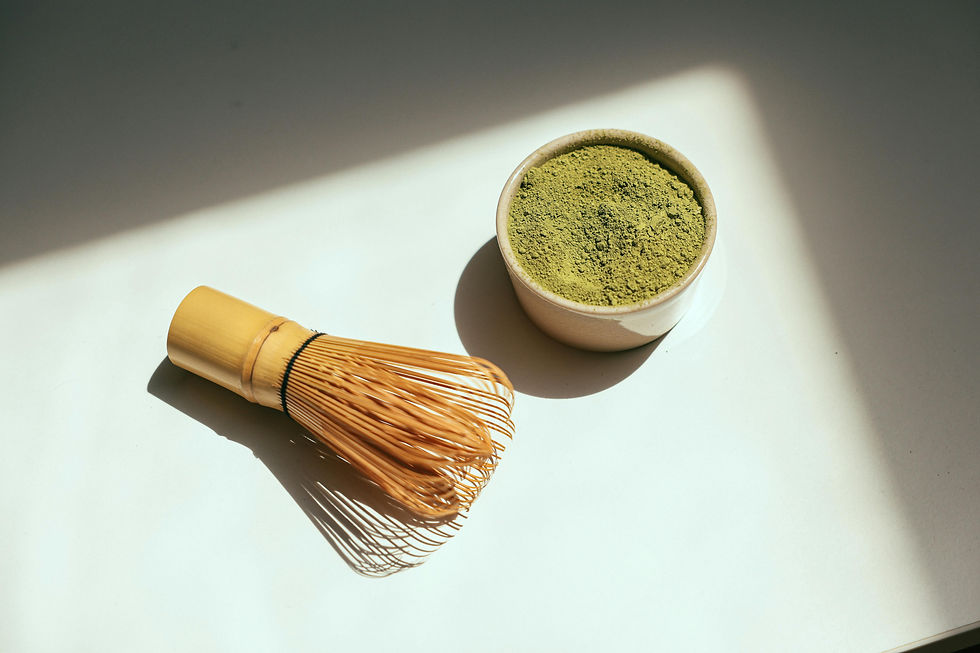
Unlike coffee, matcha contains caffeine that is absorbed more slowly in the body. It also contains L-theanine, a compound that influences how the brain responds to stimulation. Instead of a sharp spike, many people describe the effect as more steady and less overwhelming.
This is why it is often called “calm energy” online. Not necessarily weaker, just smoother.
Why matcha feels like a “healthier” option online
Social media has played a big role in how matcha is perceived. It shows up in productivity routines, gym content, café aesthetics, and wellness lifestyle videos. It is often presented as the cleaner, more mindful alternative to coffee.
There is some truth behind the health perception.
Matcha contains antioxidants, particularly catechins, which have been studied for their potential role in supporting heart health and reducing inflammation. It is also less processed compared to many flavored or sugar-heavy drinks.
But it is easy to stretch that into something bigger than what science actually supports.
Matcha is not a detox drink. It is not a fat-burning shortcut. It does not replace sleep, proper nutrition, or medical care. It is simply a beverage that can be part of a healthy lifestyle, not a solution on its own.
Coffee is not the villain people make it out to be
In contrast, coffee often gets pushed into a negative light in these comparisons. But medically speaking, it is far from harmful for most people when consumed in moderation.
Coffee has been widely studied, and research shows that it can support alertness, cognitive performance, and even long-term health outcomes for some individuals. It is one of the most researched beverages in the world.
The important part is not whether coffee is good or bad, but how your body reacts to it.
Some people can drink it without issues. Others are more sensitive and experience anxiety, disrupted sleep, or palpitations even at low amounts. That variation is where the real difference lies.
The truth behind the “matcha is healthier” claim
If you remove the aesthetics and online hype, the comparison becomes much simpler.
Matcha tends to provide a slower, more gradual energy release and contains antioxidants that support general health. Coffee provides a stronger, faster boost and has more extensive long-term research behind it.
Neither one is universally better.
What people interpret as “healthier” is often just “feels better for my body.” And that is a very individual experience.
When to get a health check

If you often experience fatigue, sleep issues, anxiety symptoms, or unusual sensitivity to caffeine, it may be worth checking your overall health instead of adjusting your drinks alone.
At HealthFirst Clinic, you can undergo proper health assessment to better understand how your body responds to daily habits like caffeine intake, stress, and lifestyle patterns. Sometimes what feels like a simple energy issue is actually worth looking into more carefully.
Because real energy does not just come from what you drink. It comes from knowing your body is functioning well.
Sources
Harvard T.H. Chan School of Public Health. Coffee and Health
Mayo Clinic. Caffeine: Effects on the body
National Institutes of Health (NIH). Tea catechins and health effects
European Food Safety Authority. Caffeine safety guidelines
World Health Organization. Diet, lifestyle, and non-communicable diseases


Comments